
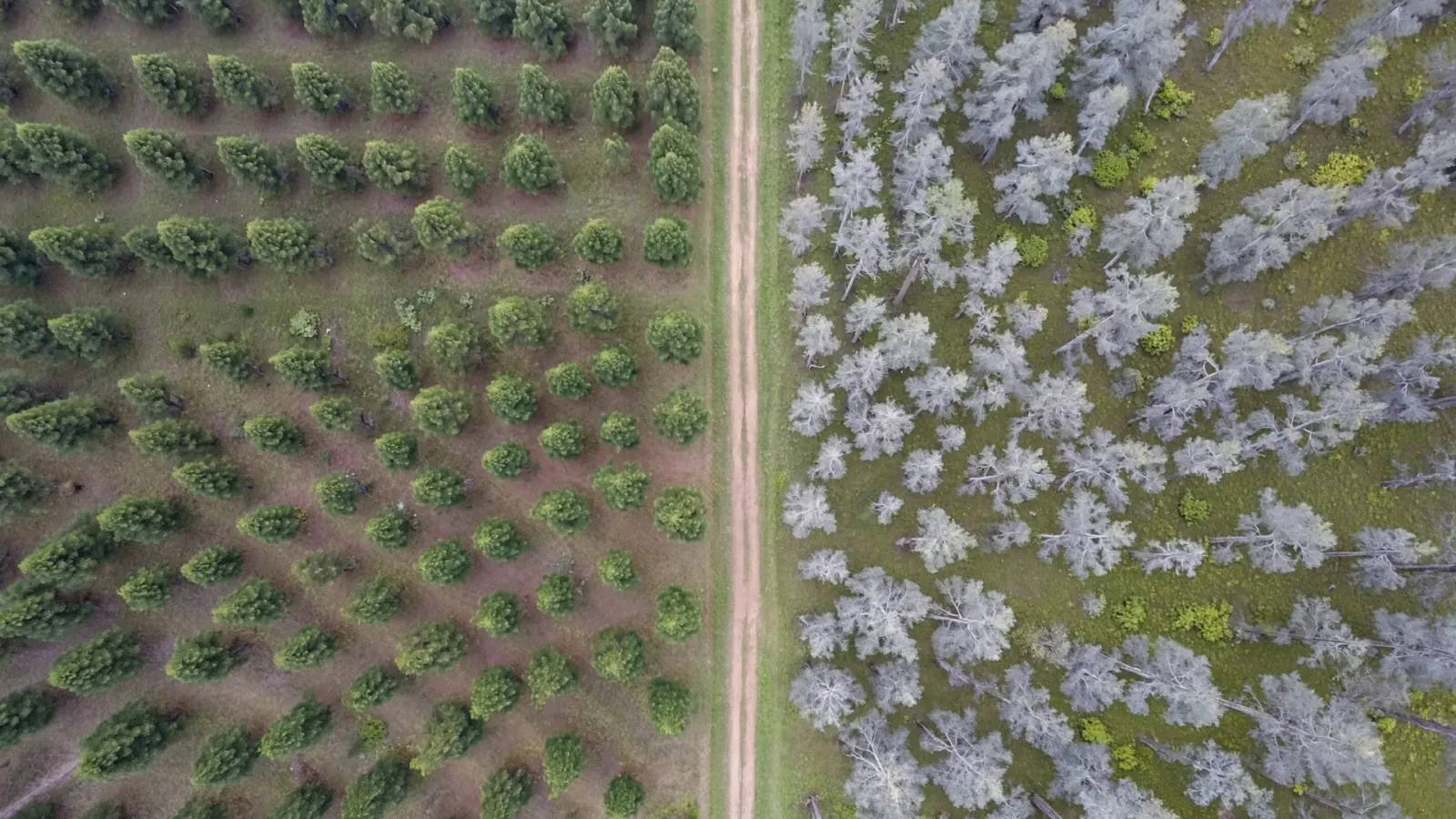
Plantation Forestry Fire Risk: A Crop You Can't Move
A plantation is thirty years of compounding investment standing in the open. What makes its fire risk different, and what can actually be done about it.
Read the analysis →Field notes
What we find when we run the numbers, what happens when the prediction meets the fire, and the occasional piece of company news.
A plantation is thirty years of compounding investment standing in the open. What makes its fire risk different, and what can actually be done about it.
Read the analysis →
Country-wide vegetation and fire scar data across the UK and mainland Europe, and why this summer made it a priority.
Read →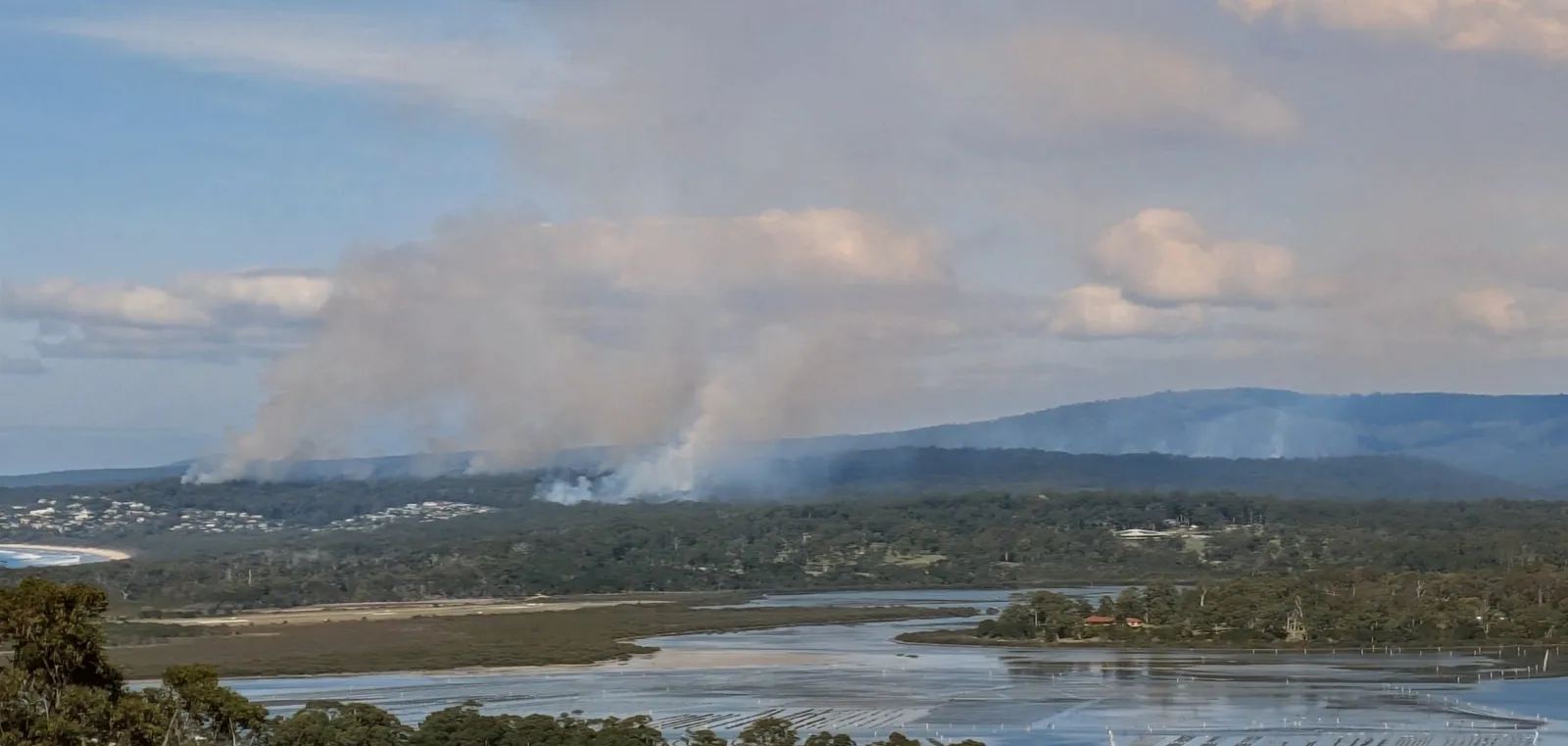
A coordinated autumn burn programme by FCNSW, RFS and NPWS quietly took roughly 13,700 asset-impact events off the table. We re-ran the worst day on record to measure it.
Read →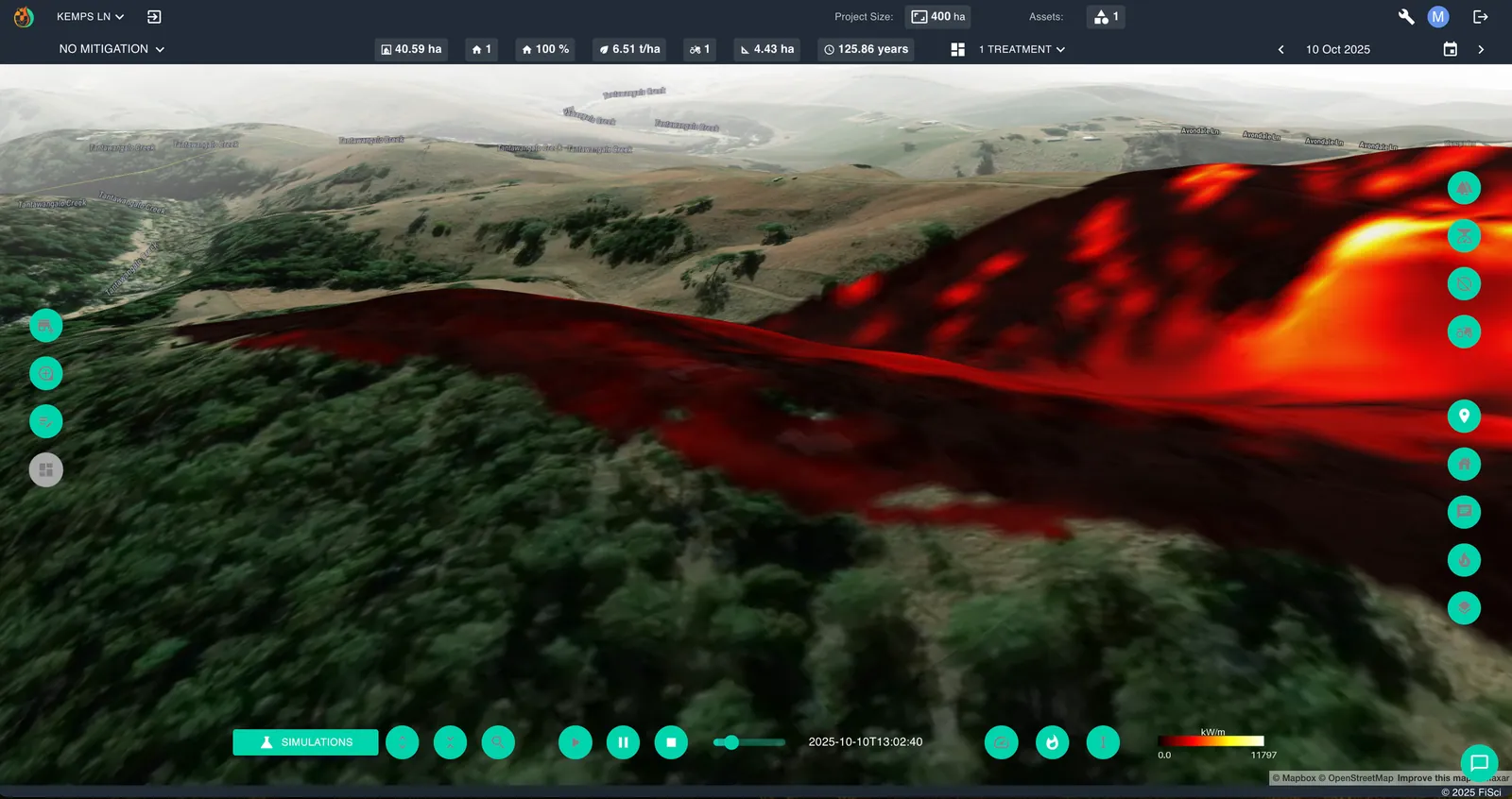
I ran a simulation out of curiosity on a Friday afternoon. Two hours later my pager went off and I was standing in it.
Read →
Country-wide vegetation and fire scar data across America, and the Mitigate platform behind it.
Read →
A strategic partnership with C2 Operations, and two decades of Australian fire and emergency services leadership joining our advisory board.
Read →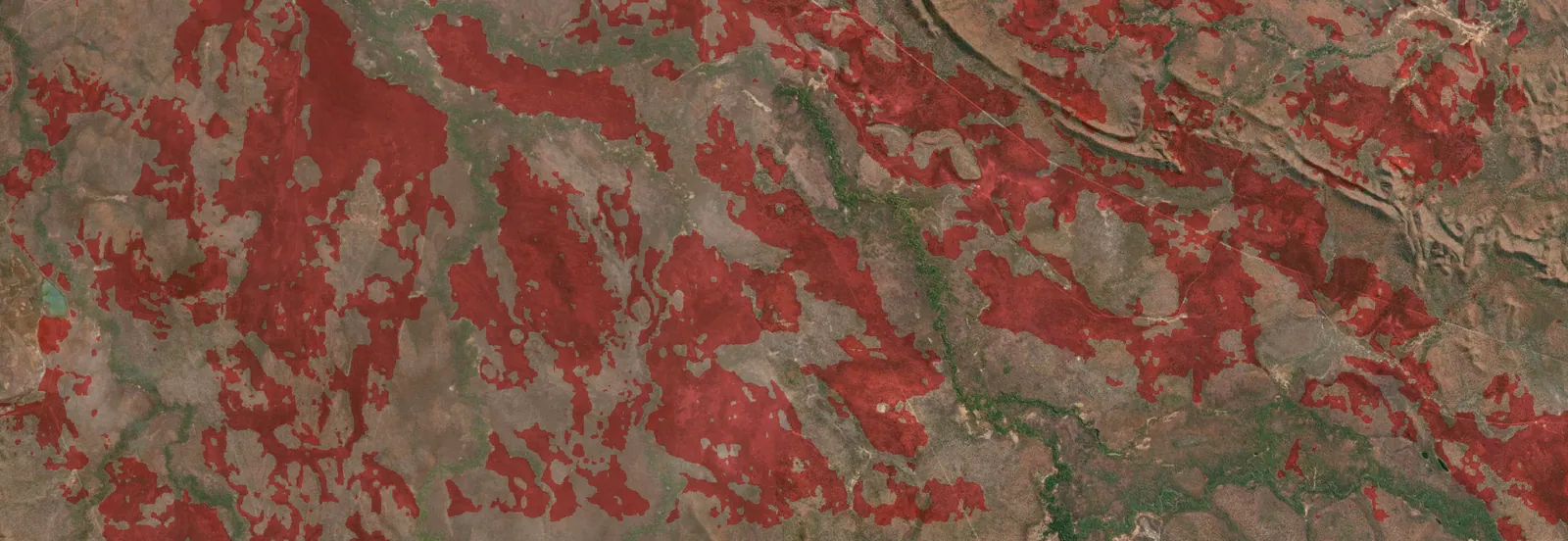
A wet year leaves patchy burns. The unburnt gaps are tomorrow's fuel — and the question is which of them matter.
Read →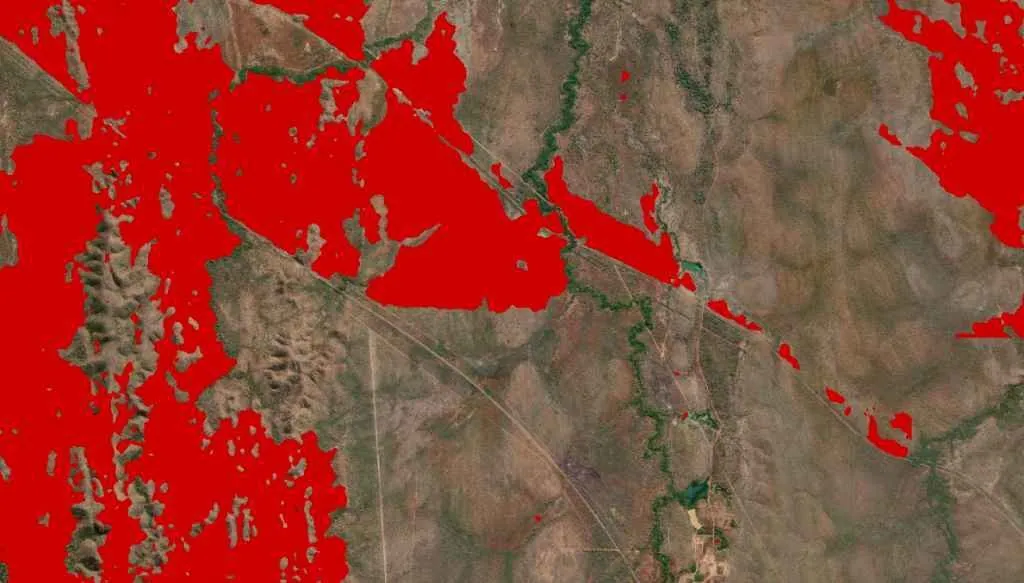
Ground-truthing a deep learning fire scar model with Google Street View, and finding it correct down to a single clump of trees.
Read →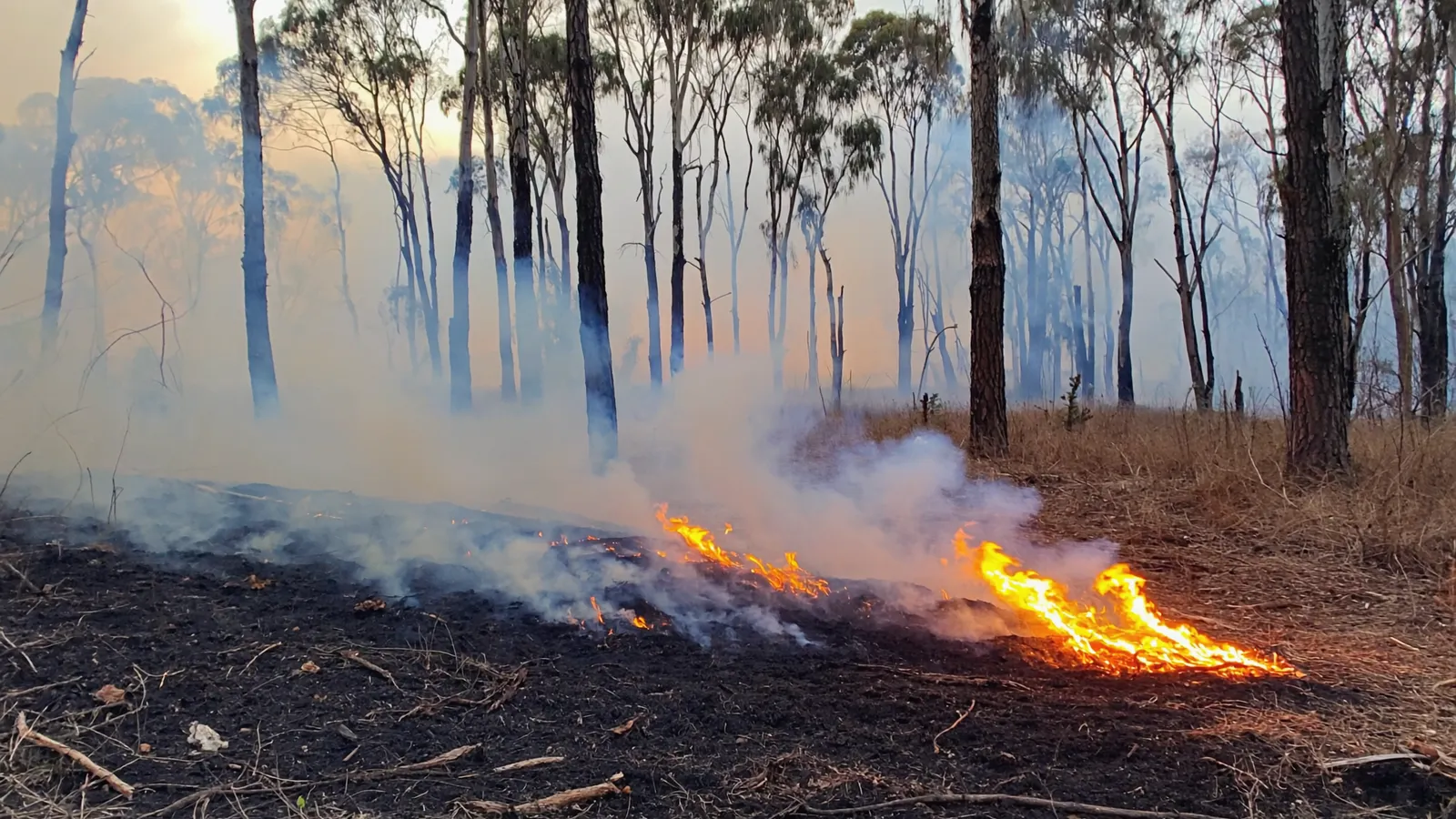
Part three of three. Once you know where fire will go, the question becomes what to do about it.
Read →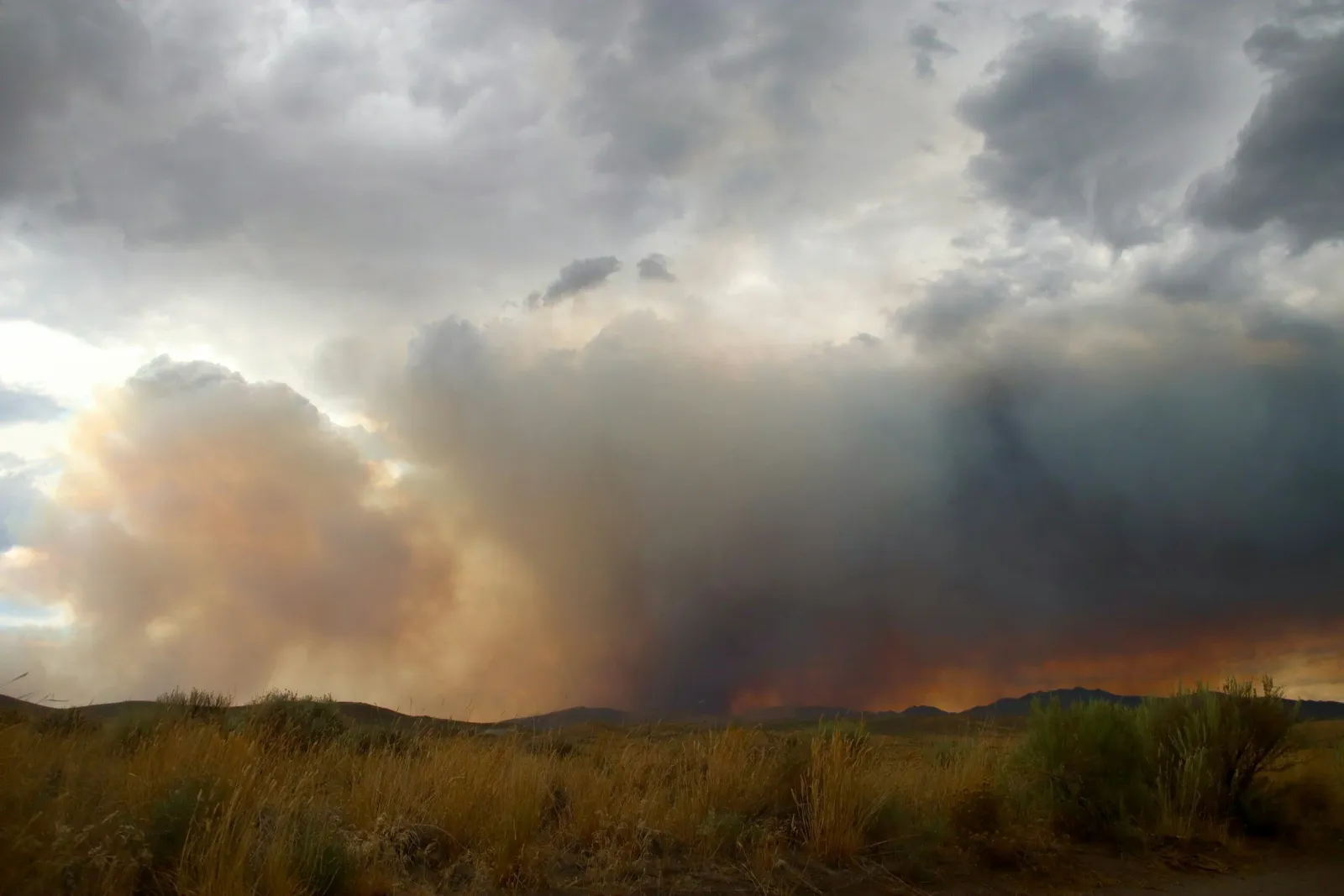
Part two of three. Where will danger come from, what is most at risk, and how will fire actually move?
Read →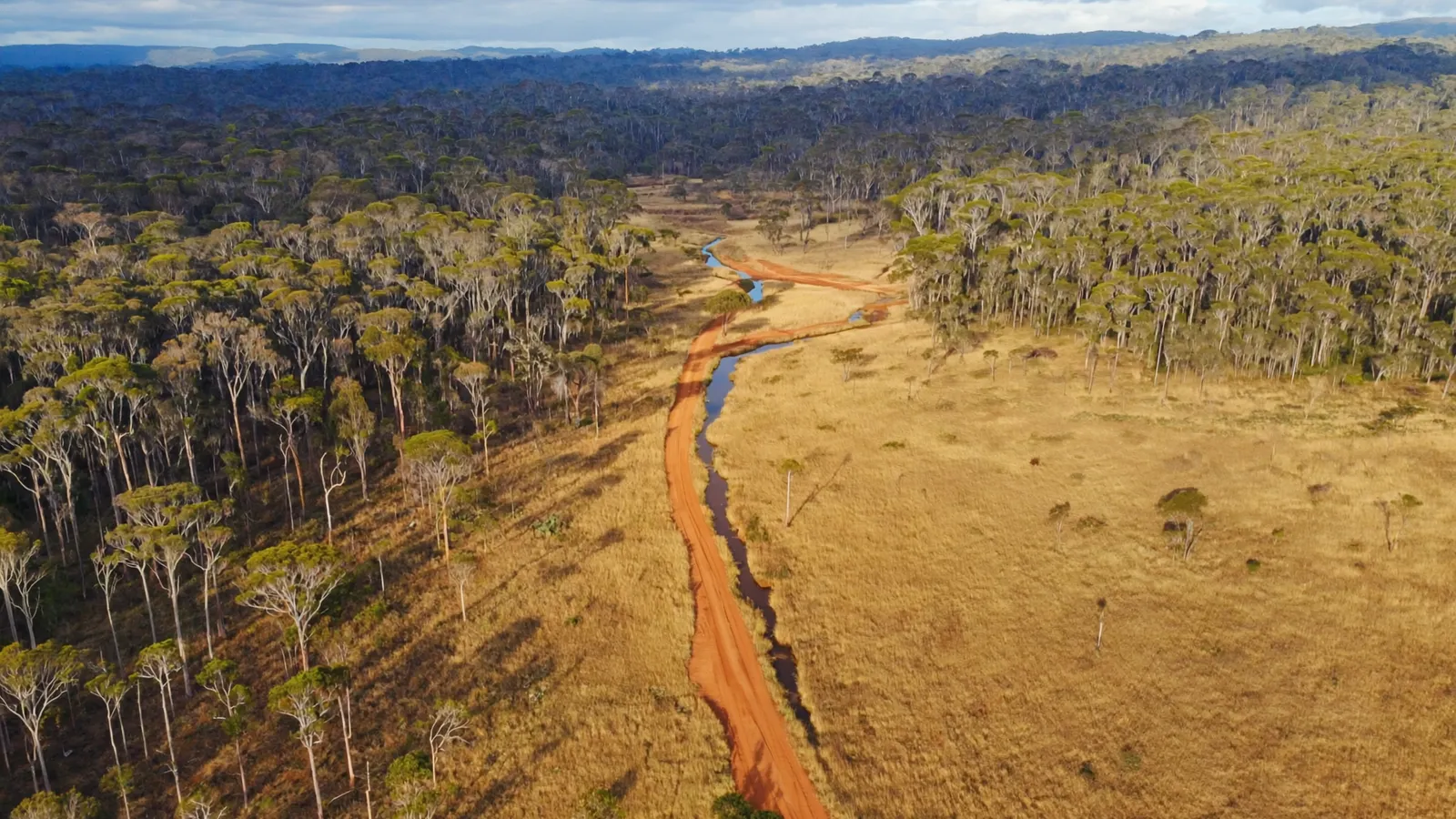
Part one of three. Before you can model anything, you have to know what is actually there.
Read →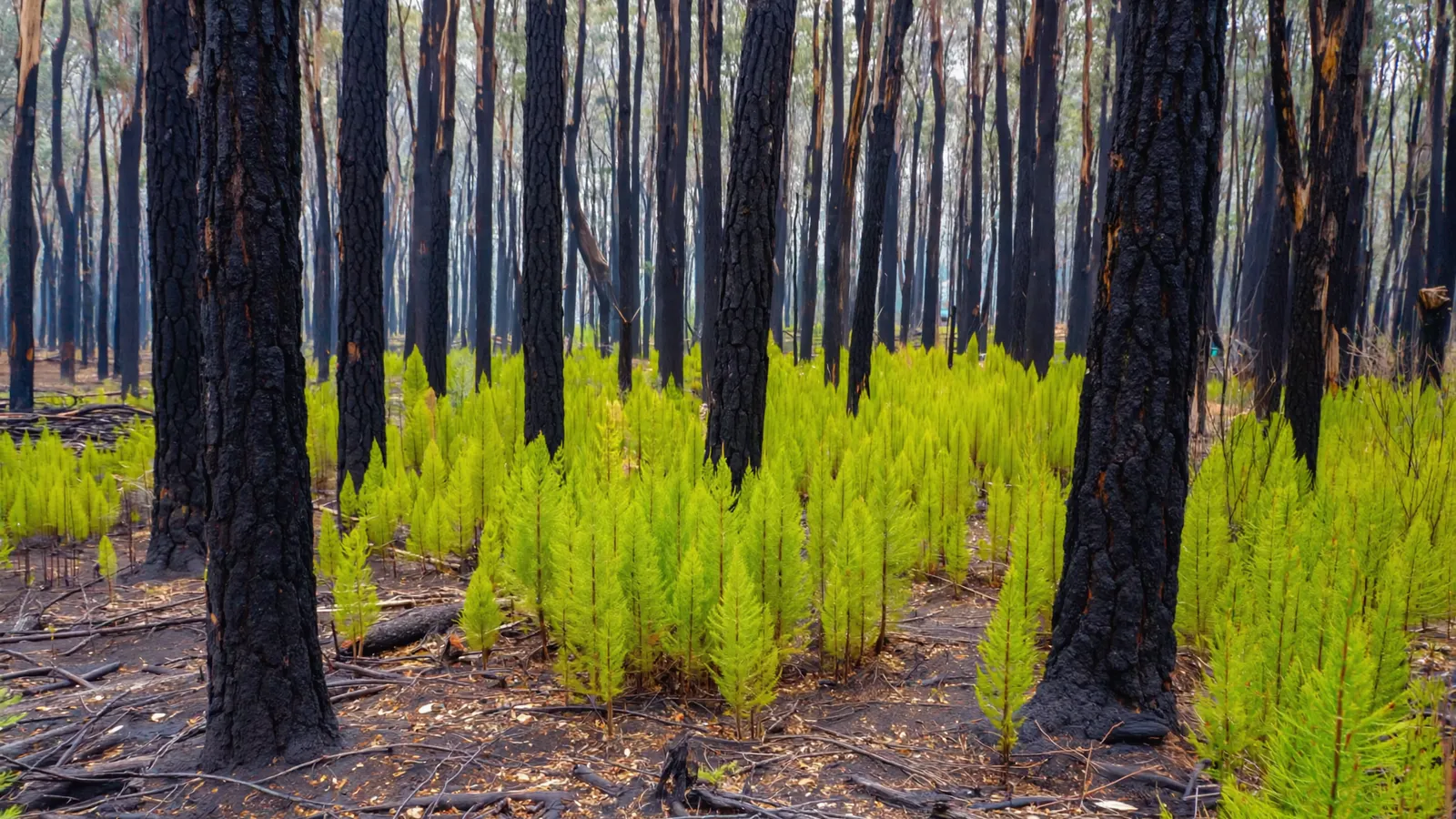
The Los Angeles fires, Black Summer, and what belongs in a fire risk management strategy.
Read →
Space debris lasers, a decade at Hivery, Black Summer, and a pager.
Read →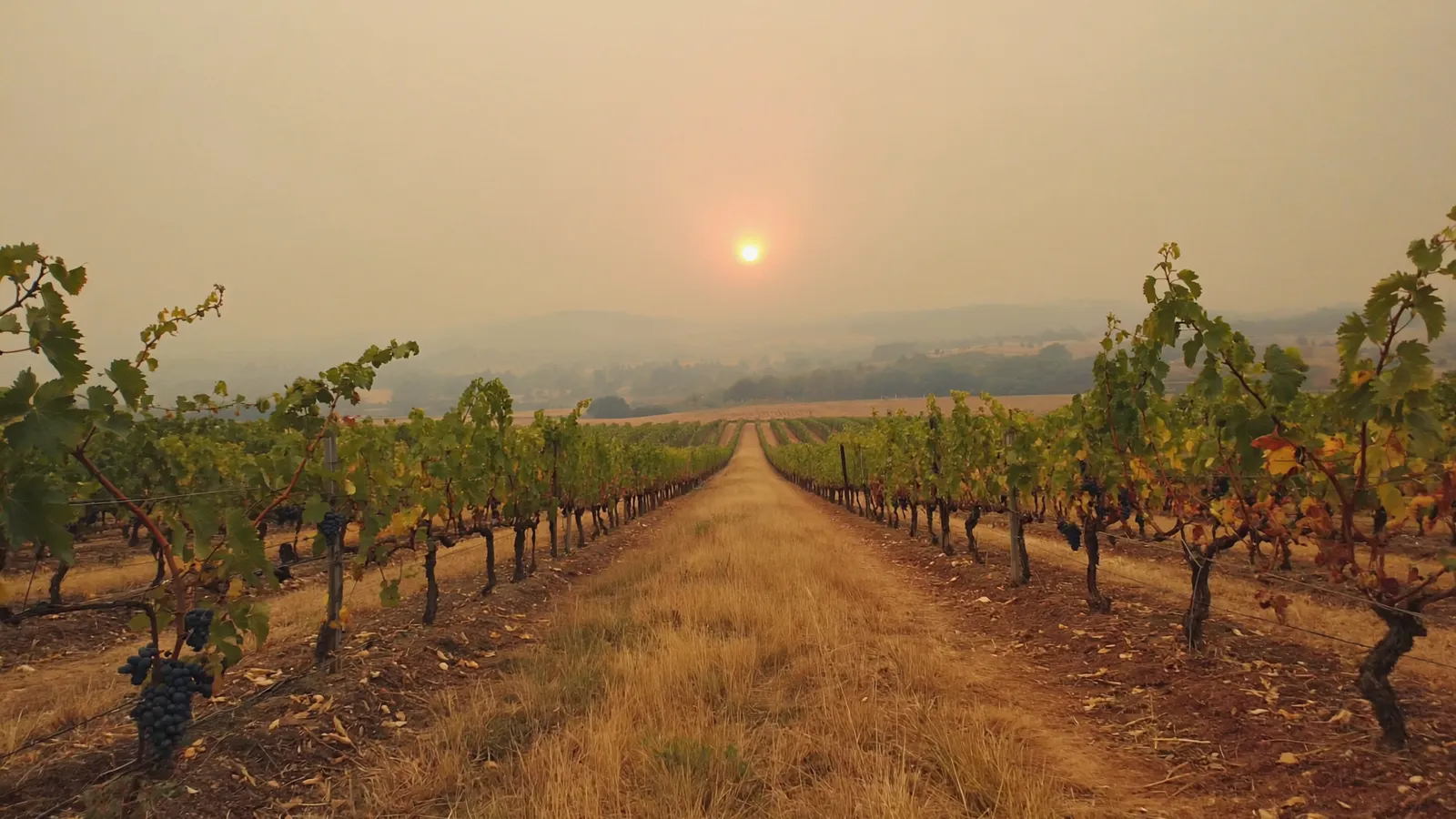
Volatile phenolic compounds, unmarketable wine, and over $100 million lost in NSW alone.
Read →
On saying yes, on being out of your depth after twenty years, and on how generous the firetech industry turned out to be.
Read →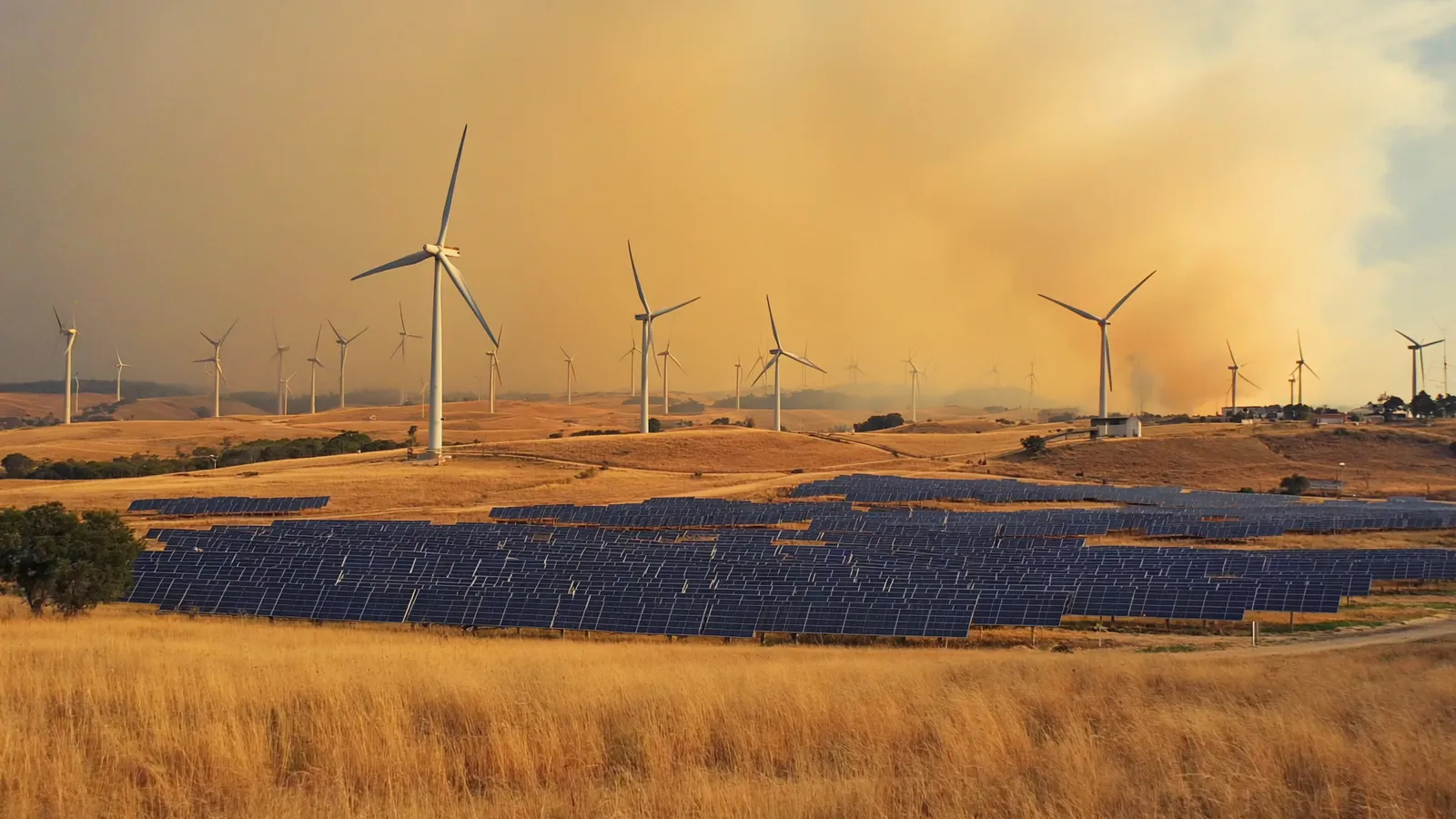
Solar farms, wind turbines and hydro — and why proactive risk reduction belongs in the operating budget.
Read →
The official launch of FiSci.
Read →