Bushfire Risk for Wind and Solar Farms
Solar farms, wind turbines and hydro — and why proactive risk reduction belongs in the operating budget.

Matthew Robards
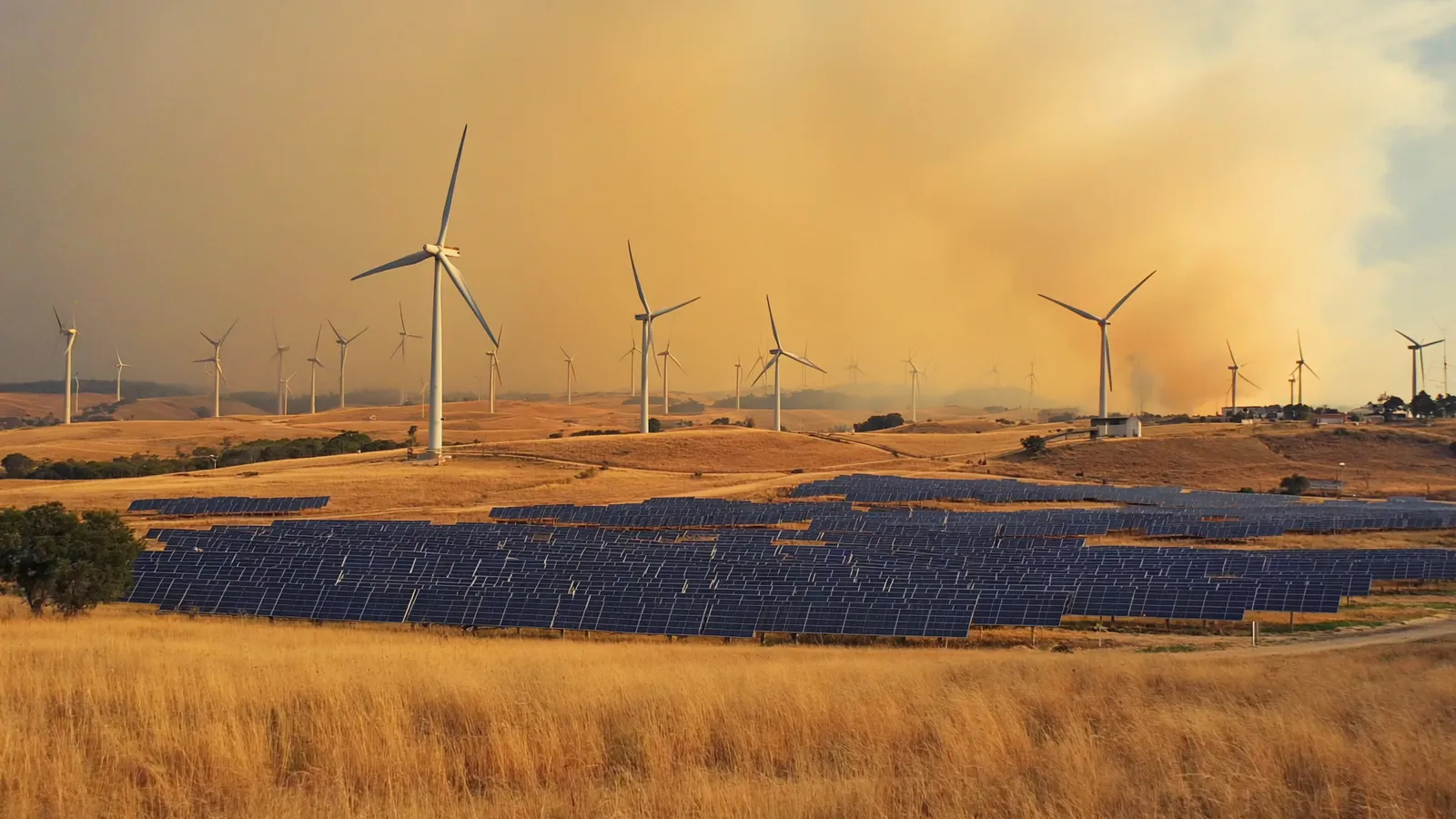
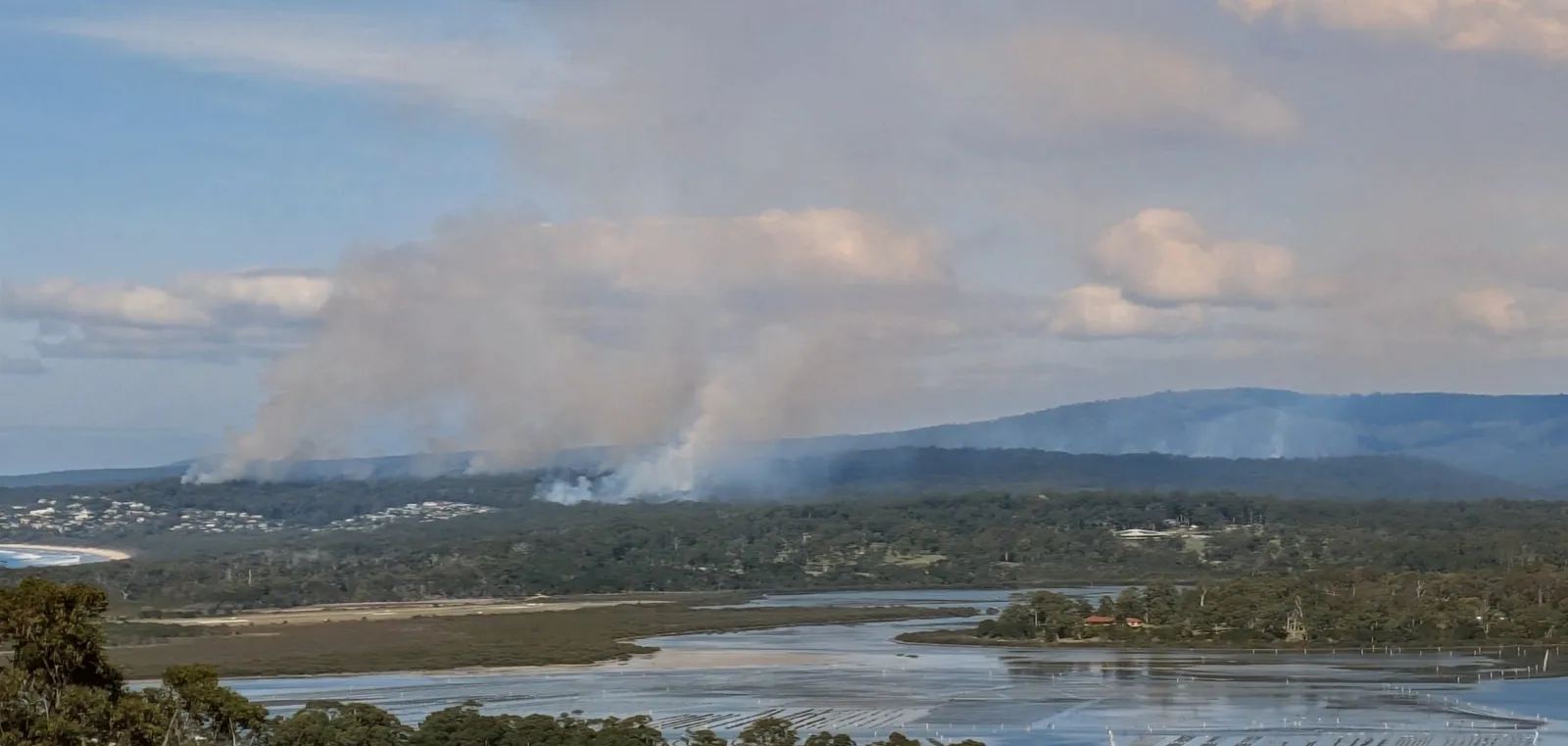
The renewable energy industry — solar, wind and hydroelectric — plays an increasingly crucial role in the global shift towards sustainable energy. But as the frequency and intensity of bushfires increase, the sector faces new challenges. Without effective risk reduction strategies, bushfires can cause significant damage to infrastructure, disrupt operations and lead to financial losses. Proactive approaches such as prescribed burns and heavy machinery intervention are vital.
The impact
Bushfires can severely damage renewable energy infrastructure. Solar panels, wind turbines and power lines are vulnerable to the intense heat, flames and smoke generated by fire. Damage leads to significant repair and replacement costs and operational downtime.
Fires also disrupt operations by affecting the workforce’s ability to safely access facilities, reducing energy production and increasing reliance on non-renewable sources. Combined with rising insurance premiums, these impacts can be financially devastating — and can affect future investment and expansion plans.
Solar farms
Fields of solar panels can be transformed into blackened wastelands, or see their efficiency plummet beneath layers of soot and shadows cast by towering pyrocumulus clouds. This was felt when California’s 2020 Glass Fire damaged the 250-megawatt Sonoma Solar project. Analysis showed a 58% drop in energy production caused by debris build-up and cloud cover attributed to the wildfire.
Wind turbines
In addition to the threat of being destroyed, wind farms face enormous potential losses because they are typically shut down when threatened by fire. This was seen when a fire broke out on a wind farm in Redhill, South Australia, in early 2024.
Hydroelectric facilities
Though seemingly more protected from flame, hydroelectric power is not immune. California’s Creek Fire forced the evacuation of employees at the 1,000-megawatt Big Creek hydroelectric project.
Proactive risk reduction
Prescribed burns
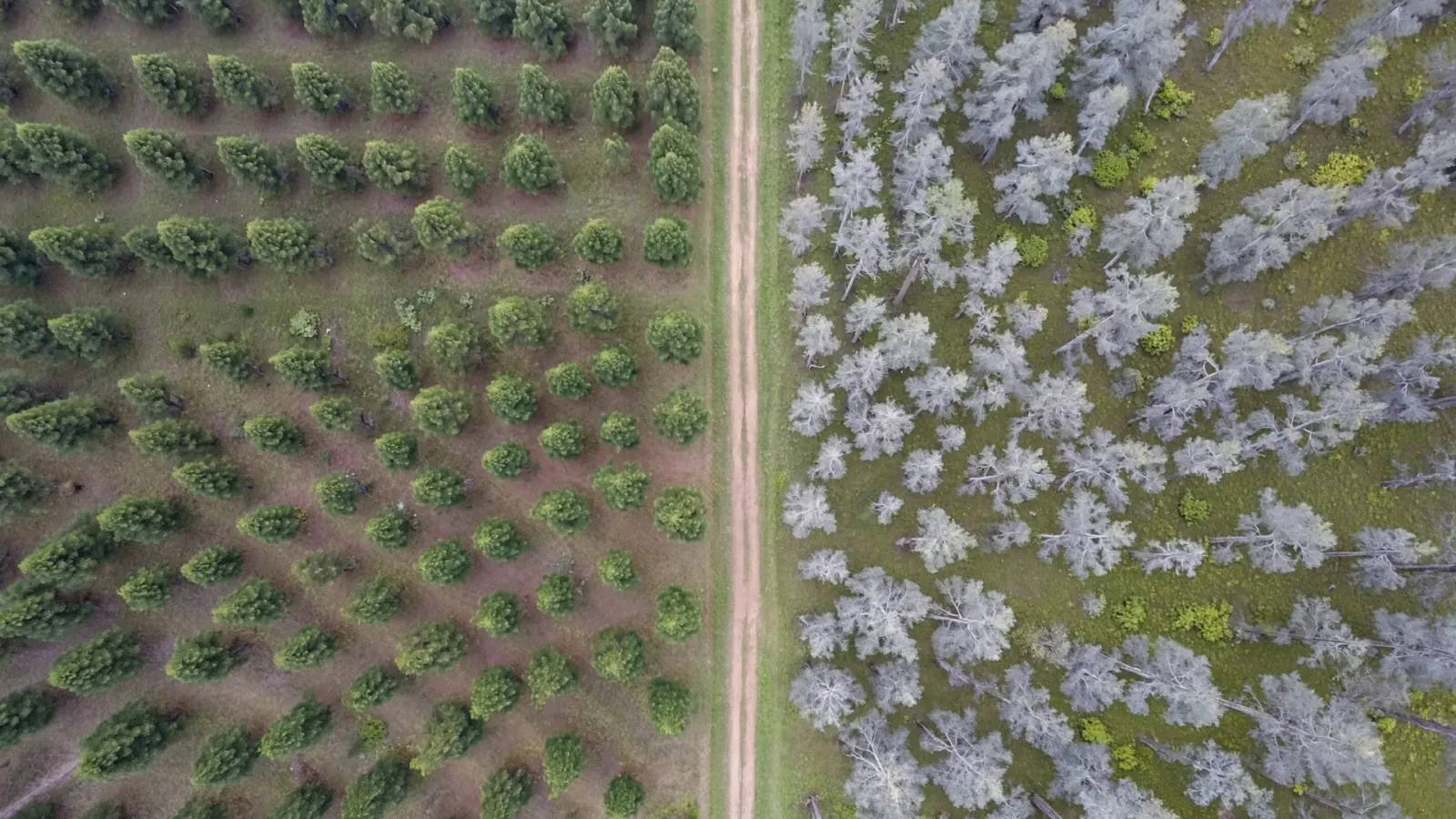
Prescribed burns involve intentionally setting fire under controlled conditions to reduce combustible vegetation. This decreases the intensity of, and helps prevent the spread of, larger uncontrolled bushfires by reducing fuel loads.
Heavy machinery intervention
Bulldozers and excavators can create firebreaks and remove vegetation around renewable energy sites, slowing or stopping the spread of fire and helping prevent it reaching solar farms, turbines and other critical infrastructure.
Technology and monitoring
Investing in advanced technology and monitoring enhances detection and response. Satellite imagery, drones and remote sensing can monitor risk areas and provide early warning of potential threats.
Conclusion
The renewable energy industry is vital to a sustainable future, but it faces significant risk from bushfire. Proactive risk reduction is essential to protecting infrastructure, ensuring operational continuity and minimising losses. With comprehensive fire management strategies, the sector can enhance its resilience and continue to play a critical role in reducing carbon emissions.