Fuel Load Management: Lessons from Wildfires Past and Present
The Los Angeles fires, Black Summer, and what belongs in a fire risk management strategy.

Kevin Bonner
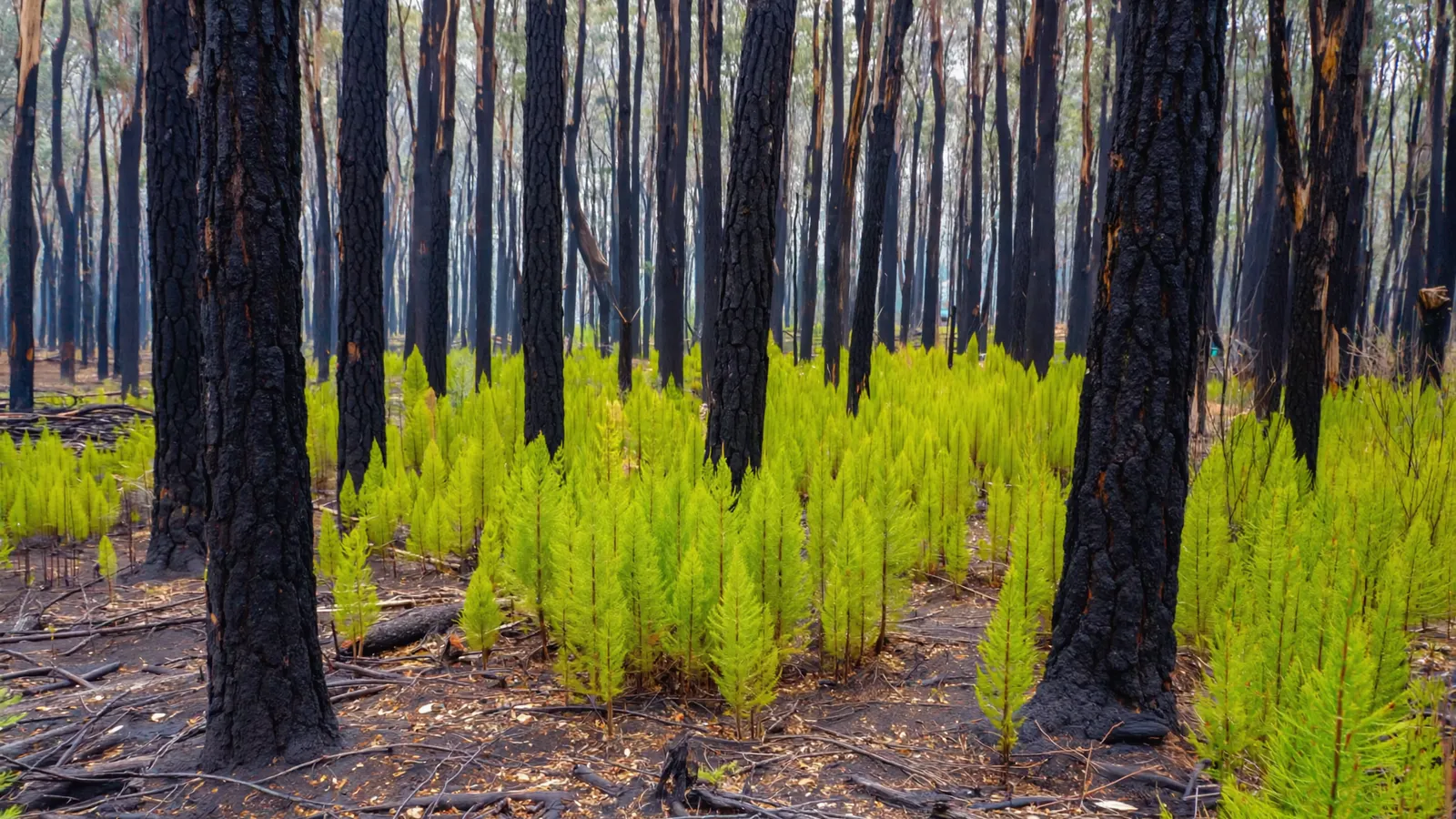
The catastrophic wildfires ravaging Los Angeles are a sobering reminder of the growing risks posed by wildfire. The incident has caused significant loss of life and property, and inflicted long-term environmental and economic damage. As we confront these challenges it is vital to explore and implement mitigation methods that reduce the risk of similar events worldwide.
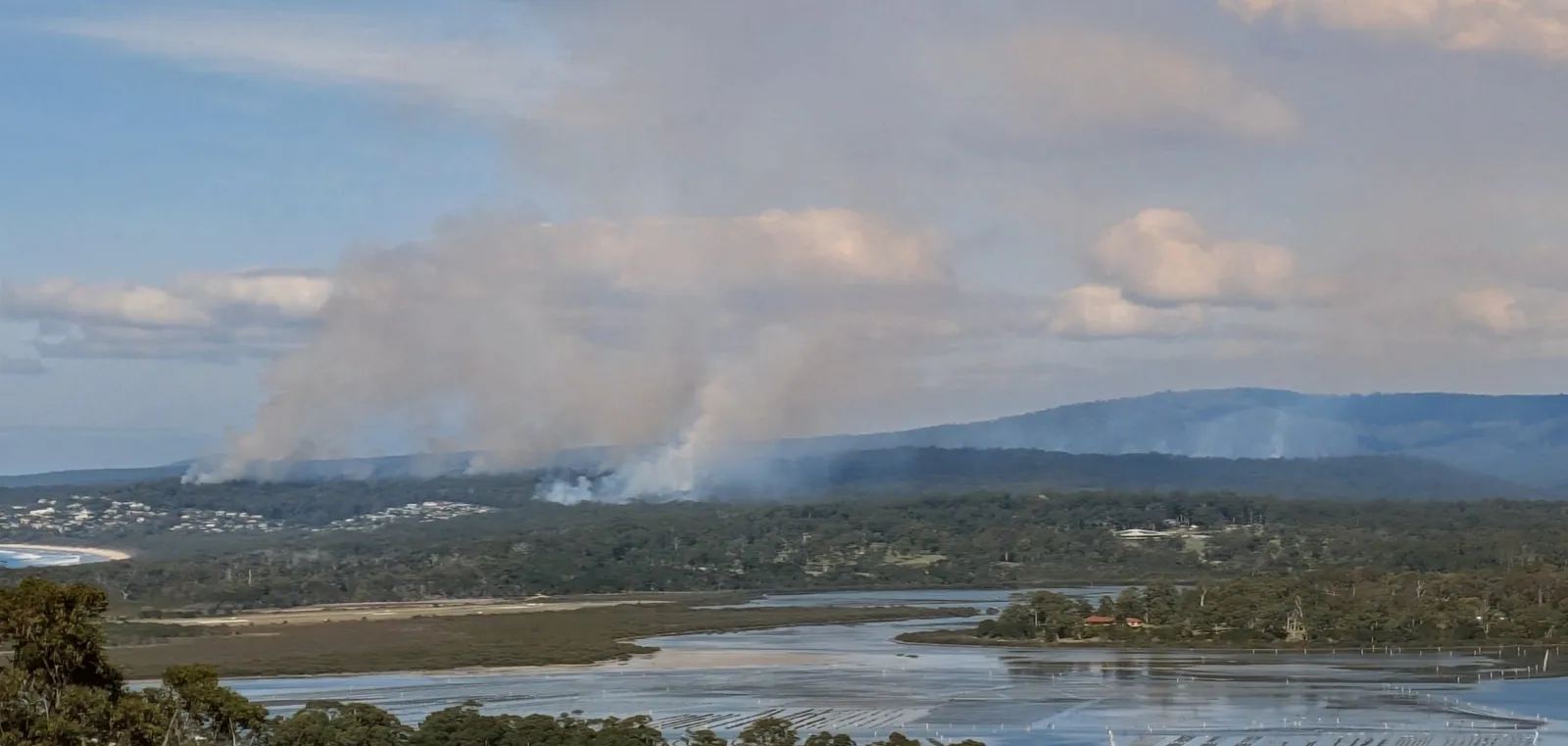
The 2019–20 Australian bushfire season — Black Summer — is a further sombre testament to the escalating global crisis. Those fires scorched over 18 million hectares, claimed 34 lives and caused billions of dollars in damage.
That catastrophe, coupled with major fires in the western United States and significant loss of life and property in recent European wildfires, underscores the urgent need for proactive, comprehensive management strategies.
As an Australian company, FiSci stands in solidarity with communities impacted by these disasters. If you are updating or drafting a fire risk management strategy, here are some considerations.
Understand the dynamics of fire behaviour
By understanding how a fire is likely to spread, decision-makers can design targeted strategies to contain it. This is crucial in urban-wildland interfaces where precision can mean the difference between safety and devastation.
Keep the data current
Wildfire conditions change in an instant, and static plans quickly become obsolete. Integrating real-time data from multiple sources enables adaptive strategies that respond to evolving situations.
Prioritise speed to insight
Time is critical. Rapid processing and an intuitive interface provide actionable insight within minutes, not days or weeks — which lets responders act decisively when every second counts.
Test what-if scenarios
The ability to test hypothetical scenarios is a considerable advantage for risk reduction. Exploring the impact of fuel reduction treatments or changes in weather conditions helps identify the most effective strategies before committing to them.
Optimise treatments
Go beyond immediate response. Whether scheduling prescribed burns, creating containment lines or planning vegetation management, the aim is to maximise the impact of every intervention so resources go where they matter most.
A global perspective
While the focus on Los Angeles highlights the urgency, the lessons and tools apply worldwide. From Australia’s bushfires to Europe’s growing threats, the same discipline holds: understand the landscape, model what fire will do, and treat where it changes the outcome most.