Smoke Taint in Vineyards: Assessing Bushfire Smoke Risk
Volatile phenolic compounds, unmarketable wine, and over $100 million lost in NSW alone.

Kevin Bonner
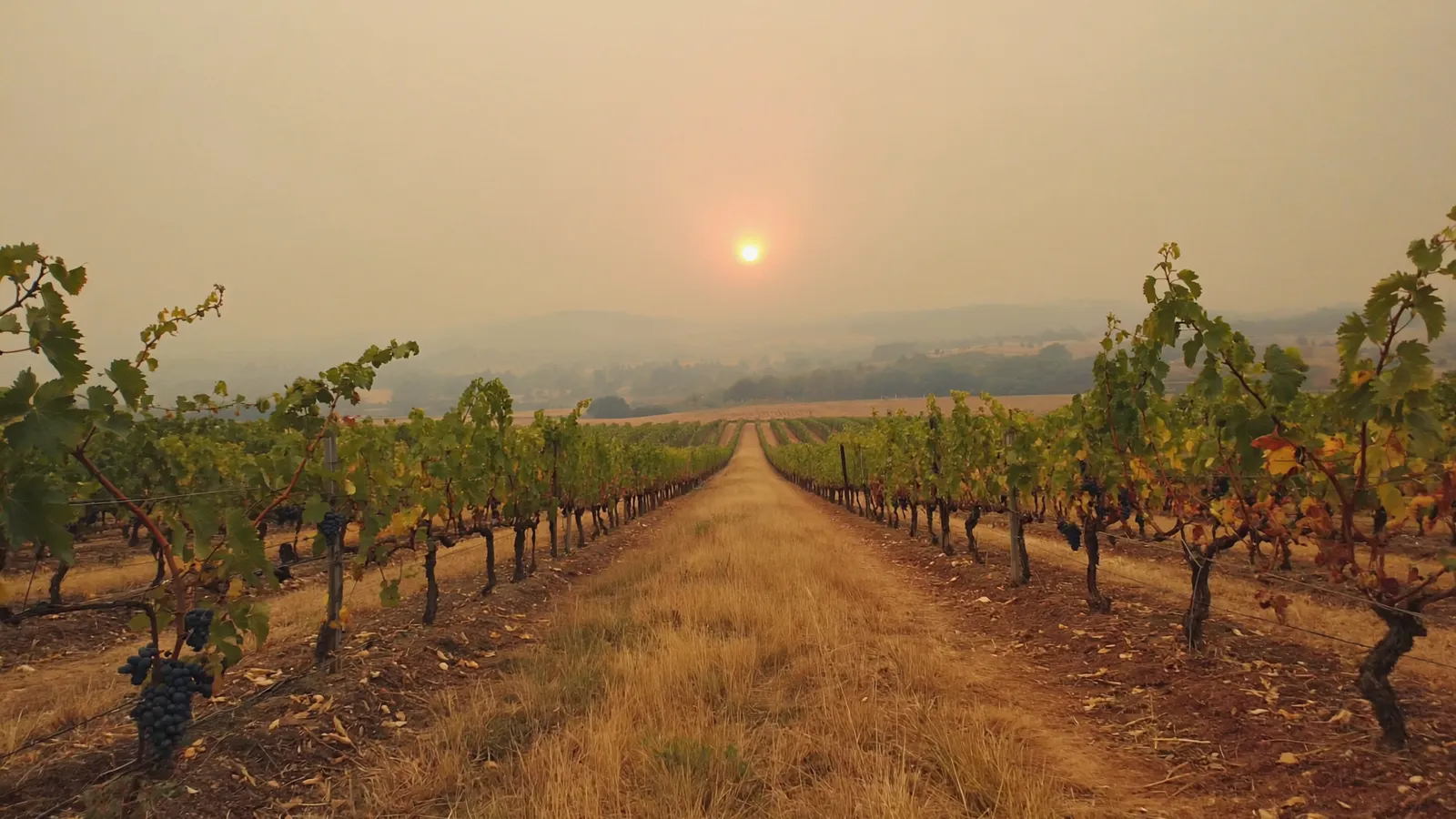
As bushfires become more frequent and severe, Australia’s viticulture industry is increasingly threatened by smoke taint. When grapevines are exposed to smoke they can absorb volatile phenolic compounds that lead to undesirable flavours in wine, often described as smoky or medicinal. This not only affects the taste but can render wine unmarketable, causing significant financial losses for winemakers.
The impact was starkly evident during the 2019–20 bushfires, which severely affected key wine regions like the Hunter Valley and Tumbarumba, with estimated losses in NSW alone surpassing $100 million. Red wines are particularly vulnerable, as fermentation involves grape skins, which are more susceptible to smoke exposure.
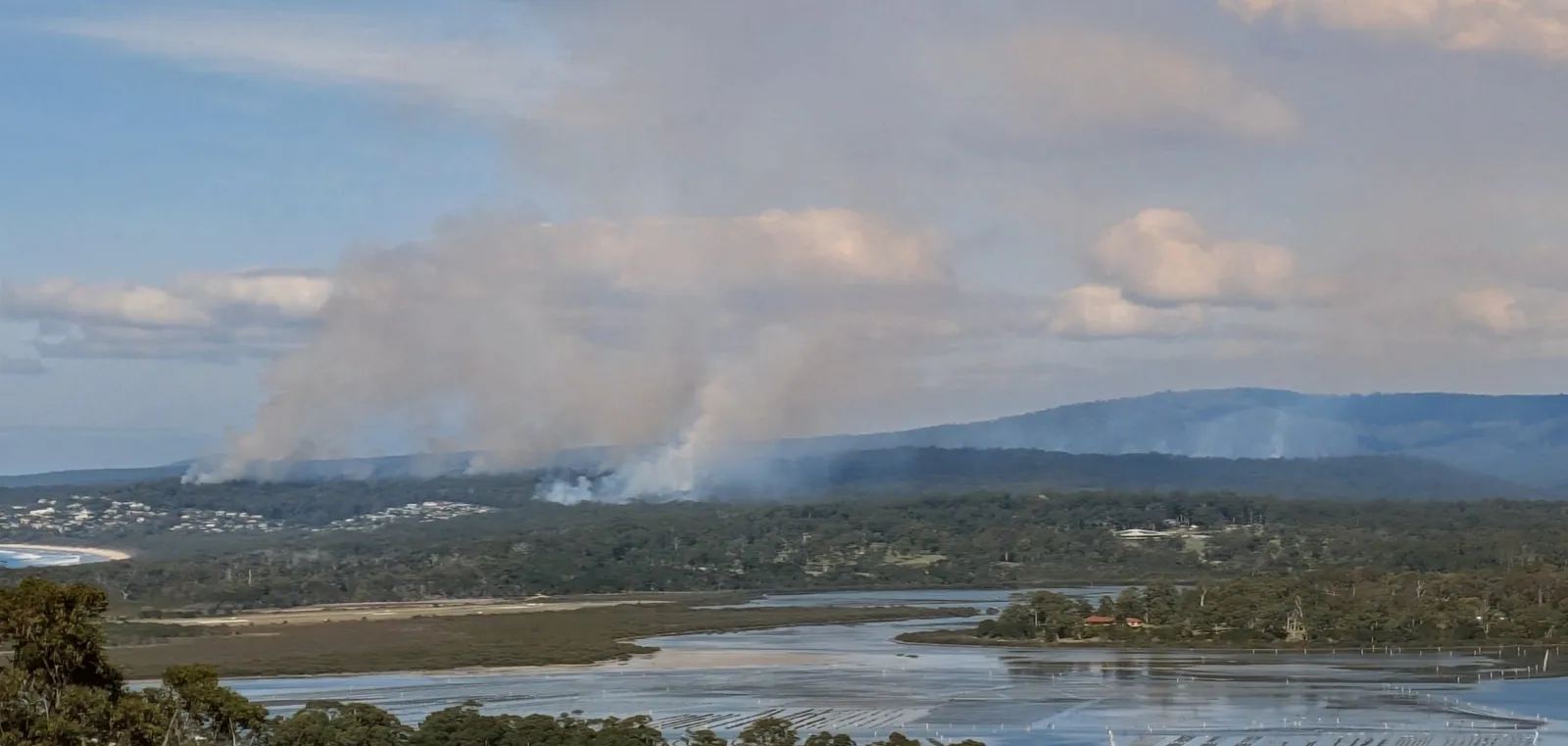
Given these risks it is crucial for vineyards to assess their vulnerability to bushfire smoke and take proactive measures. One of the most effective strategies is reducing fuel loads through prescribed burns and mechanical intervention, which lowers the risk of smoke exposure during critical growing periods.
Recent research from La Trobe University also highlights that bushfires pose a much greater risk of smoke taint than controlled burns, due to the larger volume of smoke and varying atmospheric conditions. There is promising potential in using barrier coatings like chitosan to reduce the uptake of smoke compounds by grapes.
Mitigating smoke taint is vital for the sustainability of wine production, and continued research, innovative vineyard management and strategic intervention will be key to addressing the challenge.